


Are lace front wigs reusable? Yes, in most cases they are. A good lace front wig can often be reused multiple times, but it depends on the condition of the lace, hairline, residue buildup, and how carefully it is removed and cleaned.
Are lace front wigs reusable?
Yes, lace front wigs are reusable in many cases. A well-made wig is not meant for one wear only. If the lace stays intact and the hair remains in good condition, the wig can usually be worn again.
However, reusable does not mean endless reuse. Lace is delicate, and the front of the wig goes through the most stress during installation, removal, and cleaning. That is why two wigs can look very different after the same number of wears.
For most wearers, the better question is not just “can I reuse it?” but “is this wig still in reusable condition?” That is the question this article focuses on.

How many times can you reuse a lace front wig?
There is no universal number. One lace front wig may still look great after several re-installs, while another may start to show wear much sooner.
In general, a high-quality human hair lace front wig can often be reused multiple times if it is removed gently, cleaned correctly, and stored well. A synthetic lace front wig may also be reusable, but it often reaches its limit faster.
The number of times you can reuse a lace front wig usually depends on four things: the quality of the lace, how the front was cut, how much adhesive buildup is left after each wear, and whether the hairline still looks natural.
So instead of thinking in exact numbers, it is better to think in terms of condition. If the lace edge is still clean, the hairline is still believable, and the wig lays properly after cleaning, it may be ready to wear again.
If you want a deeper guide on total wear duration over time, that topic fits better in a separate lace front wig lifespan article. Here, the main focus is whether the wig is still suitable for another reuse.

What conditions make a lace front wig reusable?
The lace is still intact
The first condition is simple: the lace should not be torn, badly frayed, or stretched out. A reusable lace front wig still needs a front edge that can blend properly against the skin.
Small signs of wear may be manageable. But once the lace becomes visibly damaged, reuse becomes harder because the hairline will often stop looking clean and natural.
The front hairline has not been overcut
A lace front wig can usually still be reused after the lace is cut, but only if the cut was done carefully. If too much lace was removed, the front may become too blunt or sit unnaturally on the forehead.
This is one reason why some wigs lose their reusable value early. The issue is not always the hair or the cap. Sometimes the lace was simply cut too far back the first time.
The wig is free from heavy residue
Glue, tape, gel, or product buildup can make a wig look messy and feel stiff. If residue is still trapped in the lace, reuse becomes more difficult because the front will not sit neatly.
A reusable wig should be reasonably clean before the next install. The lace does not need to look brand new, but it should not be coated with leftover adhesive.
The hair still looks healthy enough to wear
The hair should still feel manageable, not severely matted or overly dry. Some tangling is normal, especially after wear, but the wig should still be able to recover with proper care.
This is especially important around the front. If the hairline area has too much shedding or looks thin and uneven, the wig may no longer give a natural result.
The cap still fits and holds properly
A lace front wig should still fit securely for reuse. If straps are loose, combs are damaged, or the cap no longer holds its shape, reinstalling may not give a good result even if the lace still looks decent.
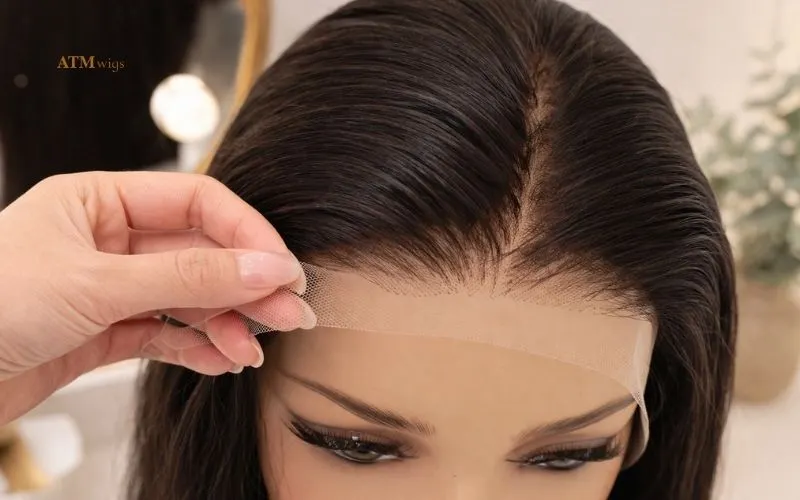
How to remove a lace front wig properly for reuse
Never pull the wig off quickly
If you want to reuse a lace front wig, the takedown process matters a lot. Pulling it off too fast is one of the easiest ways to damage the lace edge and loosen hairs near the front.
Even a high-quality wig can lose reusability quickly if it is removed roughly. The goal is to release the adhesive first, not force the lace away from the skin.
Loosen the adhesive before lifting the lace
Whether you use glue or tape, let the bond soften before trying to remove the wig. This reduces stress on the lace and helps prevent fraying.
Start gently at one side rather than lifting the whole front at once. Slow removal usually gives you much better odds of keeping the wig reusable.
Be extra careful around the front edge
The front edge is the most delicate part of a lace front wig. That is also the area that determines how natural the wig will look the next time.
If the front becomes jagged, stretched, or torn during removal, the wig may still exist physically, but it may no longer be worth reusing from an appearance standpoint.
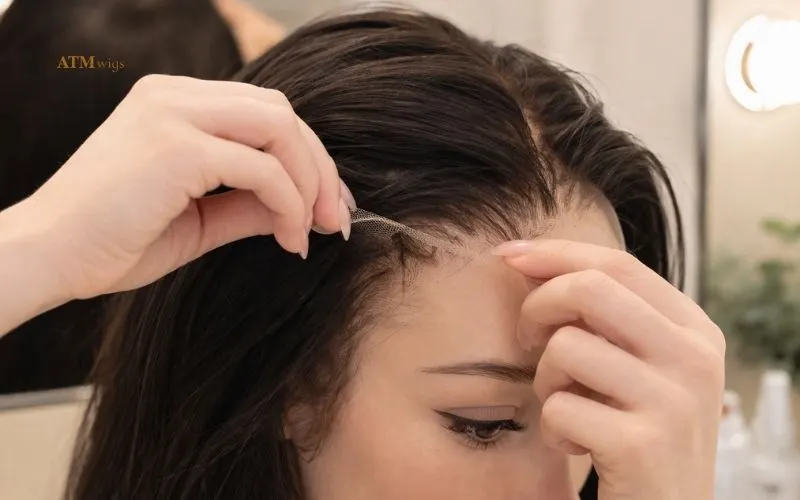
How to clean a lace front wig for reuse
Remove adhesive residue carefully
Cleaning for reuse is not just about washing the hair. It is also about clearing away residue from the lace so the next install looks clean.
Adhesive should be removed gently and patiently. Scrubbing too hard or picking at the lace can create damage that makes the wig harder to reuse later.
Clean the lace without being too harsh
The lace should be treated delicately. Heavy rubbing can weaken the mesh and affect the front shape. A gentle cleanup process is usually better than trying to make the lace look perfect in one go.
When a wig is damaged during cleaning, it usually happens when too much attention is paid to quickly achieving results rather than adequately caring for the lace portion of the wig.
Wash the hair only as needed
Once residue is removed, wash the wig when necessary to refresh the hair and reduce buildup. For human hair lace front wigs, gentle and sulfate-free products are often a safer choice.
Over washing does not help. The goal is to get the wig as clean as possible so that you can reuse it without excessive dryness.
Let the wig dry fully before reuse
A lace front wig should be fully dry before you wear it again. Reinstalling while it is still damp can affect how it lays and may make the hair harder to style properly.
A fully dried wig is also easier to assess. You can see more clearly whether the hairline still looks clean and whether the lace sits correctly.
Check the wig before reinstalling
Before reusing the wig, examine the front edge, the hairline density, and the overall shape. A quick check can help you decide whether the wig is truly ready for another wear.

Signs your lace front wig is still good to reuse
A wig is usually still reusable when the lace remains neat, the front edge has no major tears, and the hairline still blends naturally.
It is also a good sign when the hair can be detangled and restyled without looking thin, stiff, or overworked. Reusability depends a lot on how natural the wig still appears once refreshed.
If the cap still feels secure and the wig lays flat against the head, those are also strong indicators that reuse is still realistic.
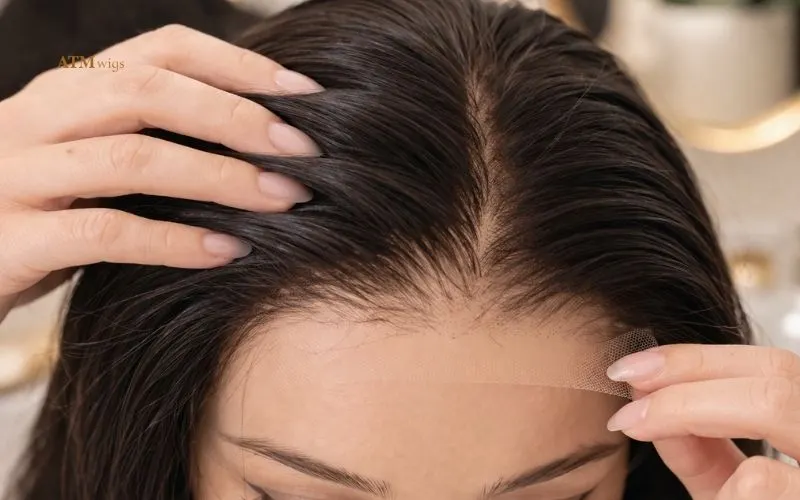
Signs you should not reuse a lace front wig
The lace is torn or badly frayed
This is the clearest sign. When the lace is damaged enough to affect blending, another install may not look right.
The front hairline looks too blunt
If the lace was overcut or the front edge no longer looks soft and natural, the wig may not be worth reusing even if the rest of the hair still looks decent.
Glue residue is deeply stuck in the lace
If buildup is heavily trapped and the lace cannot be cleaned without risking more damage, reinstalling may only make the problem worse.
There is heavy shedding near the front
When the hairline area starts to thin too much, the wig may stop looking realistic. That is often the point where reuse is no longer a good idea.
The hair is badly matted or too dry to restore
A reusable wig should still respond to care. If the hair remains rough, tangled, or lifeless after cleaning, it may be near the end of its useful stage for rewear.
The wig no longer sits naturally
Sometimes the biggest sign is visual. If the wig no longer lays flat, frames the face poorly, or looks obviously worn at the front, it may be better not to reuse it.

Human hair vs. synthetic: which is easier to reuse?
Human hair lace front wigs do offer better washability, conditionability, and restylability, and usually keep their natural appearance longer with each additional wear than synthetic lace front wigs do.
Although some synthetic lace front wigs can be reused, there is likely a much shorter-term opportunity for reuse due to how easily they can become frayed from friction, knotted from tangling, or change texture over time.
For wearers who want better long-term flexibility, human hair is usually the stronger option.

FAQ about reusing lace front wigs
Can you reuse a lace front wig after removing glue?
Yes, usually. The key is removing the wig gently and cleaning the lace carefully so the front stays intact.
How many times can you reuse a lace front wig?
There isn’t a definitive answer. A high-quality wig has the potential to be reused for many different occasions, provided the condition of the lace, the hairline’s appearance, and how much residue remains come into play.
Can a lace front wig be reused after the lace is cut?
Yes, if the lace was trimmed properly. If it was overcut, reuse may become harder because the front can stop looking natural.
Are human hair lace front wigs more reusable?
In most cases, yes. Human hair wigs usually handle repeated wear and refreshes better than synthetic ones.
When should you stop reusing a lace front wig?
You should stop when the lace is damaged, the front looks unnatural, the hairline has thinned too much, or residue cannot be removed safely.
Does proper cleaning help a lace front wig stay reusable?
Yes. Gentle cleaning and careful adhesive removal are two of the biggest factors in keeping a lace front wig reusable.
So, are lace front wigs reusable? Yes! Lace front wigs can often be reused as long as they have been kept in good condition, meaning the lace and hairline even still look natural when wearing them again. Look through some high quality lace front wigs made specifically for wear and tear by visiting the ATM Wigs catalog and checking out their professional wig lines.

