


Removing glue from a lace front wig is essential for maintaining its condition. If done incorrectly, it can damage the lace or leave residue. In this guide, we’ll show you how to remove glue from lace front wig using safe, professional techniques to ensure your wig stays in great condition for longer.
Why Proper Glue Removal Is Essential
Lace front wigs are popular due to their natural look and transparent hairline. However, proper treatment—most especially glue removal—is required to keep them in top shape. If adhesives are not properly removed from the lace or removed carelessly, they can destroy the delicate mesh and clog up the hairline, reducing the reusability of the wig. Over time, this will lead to shedding, yellowing, and loss of laciness.
Knowing how to properly take glue off lace front wigs is not just about hygiene. It’s a way of maintaining your investment and ensuring the wig remains flawless. As stylist, salon owner, or wearer, knowing these techniques will lengthen the life of your wig and satisfaction.
What You Need to Remove Glue from Lace Front Wig
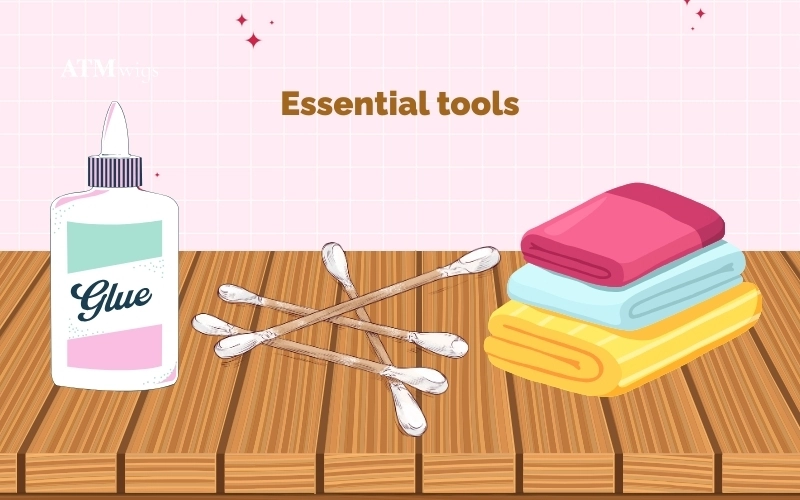
Before removing glue from a lace front wig, make sure you have the right tools. Using proper products—not household alternatives—is essential for safe, effective results.
Choose a lace-friendly adhesive remover. Alcohol-based removers act fast and dry quickly, ideal for touch-ups. Oil-based removers are gentler, making them perfect for sensitive skin and delicate human hair wigs.
You will also need cotton pads, swabs, wide-tooth comb, sulfate-free shampoo, and a gentle towel. A mannequin head or wig stand gives you better control and protects the lace during the process. These tools help in giving you a clean and damage-free removal.
Step-by-Step: How to Remove Glue from Lace Front Wig Safely

Glue is removed before even using any remover. Detangle the hair delicately with a wide-tooth comb, beginning from the end to the root. This does not apply pressure to the lace and prevents damaging it.
Then, put on the wig onto a stand or your head with clips. An immovable base is necessary—movement during the removal can distort or tear the lace.
Next, locate the glue—along the front hairline. Dampen a cotton pad with adhesive remover and pat it lightly over the glue. Don’t scrub because it will smear the glue or mat the hair. Let it remain 5–10 minutes to soften the adhesive properly.
As the adhesive starts to loosen, use your fingers or a plastic spatula to gently pry the lace away from one end. Do this slowly, section by section, adding more remover as needed. If there is resistance, stop and allow the remover to work for a few more minutes. The aim is a clean break without pulling or fraying the lace.
After the wig has been taken off, inspect the lace for any residue that remains. With an effective remover, it’s not uncommon for the glue to be stuck to the mesh. Place a few drops of remover on the intransigent areas and clean with a cotton swab. When doing so, always go in small circular motions and never use nails or sharp objects.
Wash lace under lukewarm water after removing glue. Apply a sulfate-free, gentle shampoo close to the lace and spread it gently on the base. Don’t soak the entire wig, except if the entire thing needs to be cleaned. Apply a conditioner afterward in a bid to maintain the softness and integrity of the lace and hair.
To dry the wig, just pat it with a towel and avoid wringing or twisting the lace. Place the wig on a wig stand and air dry naturally in a cool, well-ventilated area. Avoid direct sunlight or hair dryers, as heat may ruin the lace as well as dry out human hair fibers.
Common Mistakes to Avoid During Glue Removal
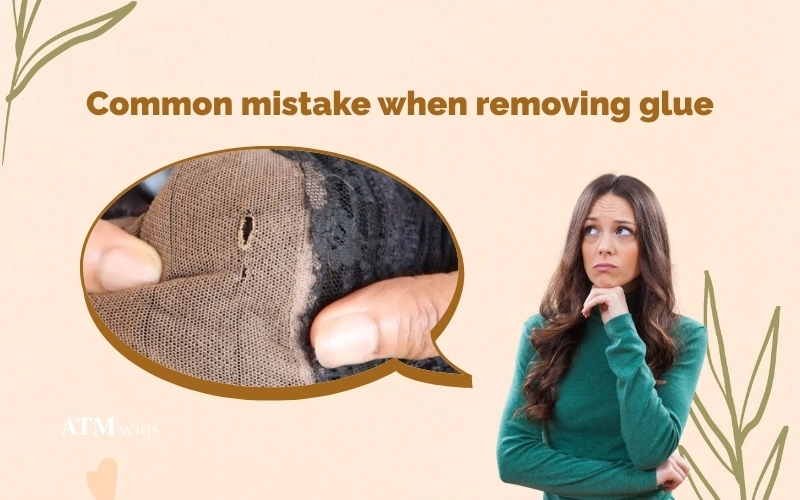
The majority of lace front wig users unknowingly destroy their wigs by rushing the removal process or using the wrong tools. One of the frequent mistakes is pulling out the wig before the glue has fully dissolved. Even a gentle pull can tear the lace or loosen the hair knots, leading to shedding.
Others apply harsh household items like nail polish remover or vinegar. These will dry out the hair, damage the lace, and create strong odors.
Another mistake is not washing the lace immediately after removal. Leaving glue on the lace for days only makes it harder to remove later, so more aggressive measures will need to be taken, which again puts the lace at risk of damage.
Choosing the Right Products for Glue Removal
All removers are not equal. Products that are professional quality and intended for lace systems and human hair wigs need to be utilized. Use formulas that include ingredients like aloe vera or coconut oil—these break down glue but also condition the lace and scalp.
ATM Wigs offers a range of salon-tested adhesive removers, trusted by stylists across Europe and the U.S. for effective, safe wig care.
The right shampoo is also important. Avoid harsh clarifying shampoos that strip natural oils from the hair or damage the lace. Instead, use sulfate-free, color-safe shampoos that gently clean without changing the color or texture of the wig.
How to Prevent Future Glue Build-Up
Prevention is the best remover of glue. Start by applying a very limited amount of glue along the natural hairline—never extend it way back into the lace. Use a scalp protector or a lace barrier spray before application to create a protective barrier between skin and adhesive. This allows easy removal in the future and prevents glue from flowing into the lace.
Washing your wig after every removal session—regardless of how small an amount of glue—becomes a professional habit in avoiding future buildup. Always air dry the lace prior to reattachment. Any remaining moisture can cause residue to stick and relax the knots over time.
When to Seek Professional Help
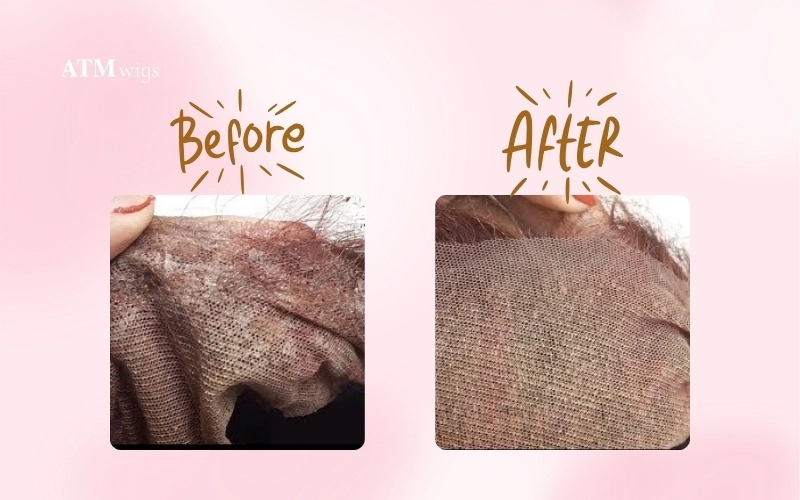
Sometimes, do-it-yourself methods fail. When the glue is hardened into the lace or when you see fraying or shedding, it’s time to see a professional.
Wig technicians and specialty boutiques can gently remove adhesive, deep clean the unit, and even repair compromised lace. For high-end wigs—especially custom or European-style hair constructs—this expert care is money well spent.
Final Thoughts on Wig Longevity and Lace Health
Lace front wig adhesive removal is not routine—it’s preservation. Each delicate measure saves the lace, maintains a natural hairline, and extends the life of the wig.
When you pair the right techniques with quality products, glue removal is less maintenance than it is a way to save your investment.
Whether keeping your own wig or helping your clients keep their own in place, it is worth it in terms of aesthetics and functionality to be consistent with cleaning and glue removal processes. With professional care, patience, and attention, your lace front wig will have its ideal finish for dozens of applications to follow.
FAQs – How to Remove Glue from Lace Front Wig
Can I use alcohol to remove wig glue?
Yes, but only employ 91% isopropyl alcohol and use it carefully so that it doesn’t dry out the lace.
How do I get glue out of lace without damaging it?
Use oil-based removers and do not scrub or pull. Allow the remover to work.
Is it okay to leave glue on the lace if I reapply soon?
No. Residue builds quickly and will eventually compromise the lace mesh.
How often should I clean my lace wig?
Wash the lace area with each removal or every week if always being worn.
Are there non-glue methods to secure a lace wig?
Yes, there exist lace wig grips, elastic bands, and lace tape to be used in glue-free methods.
Conclusion
Understanding how to remove glue from lace front wig helps extend its lifespan. However, when you choose to purchase premium wigs from ATM Wigs, you won’t need to worry about using glue. With ATM Wigs’ premium wigs and toppers, you can enjoy a secure, natural fit without the need for glue.

