


Synthetic wigs are favorites because they are less expensive and easy to style. However, with the controversy surrounding chemicals and their possible health hazards, the question is: Is synthetic hair toxic? This guide reveals the truth: what is non-toxic synthetic hair and how to select it.
What Is Synthetic Hair Made Of?
Synthetic wigs are made up of man-made fibers such as Kanekalon, polyester, acrylic, and PVC. Such fibers are subject to chemical treatment to achieve more durability, heat resistance, and a natural look. Some low-quality synthetic wigs may be treated with flame-retardants, which can raise safety concerns.
Of the synthetic fibers, Kanekalon is the safest since it is soft and undergoes less chemical processing. In contrast, PVC-based fibers contain phthalates and other additives that can release toxins when they are exposed to heat or a lot of wear.

Is Synthetic Hair Toxic? Examining the Risks
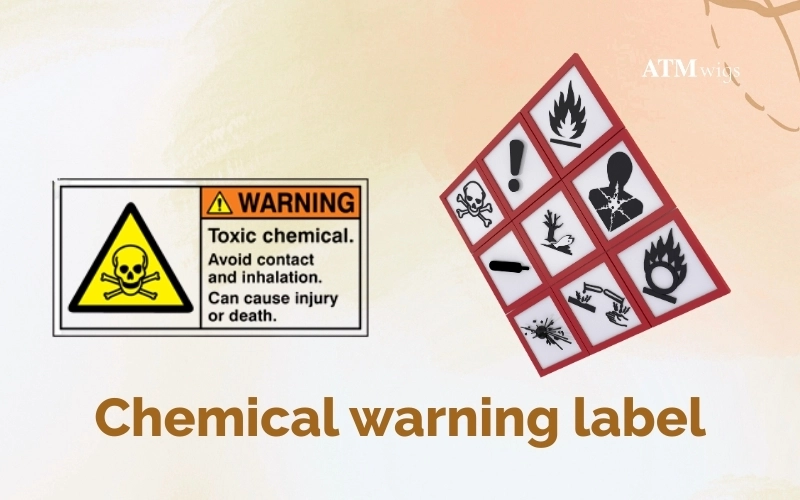
The toxicity of synthetic wigs depends on the makeup of fibers and coatings and their exposure to heat. Low-cost wigs may contain volatile organic compounds (VOCs), which may off-gas over time, particularly during warm weather.
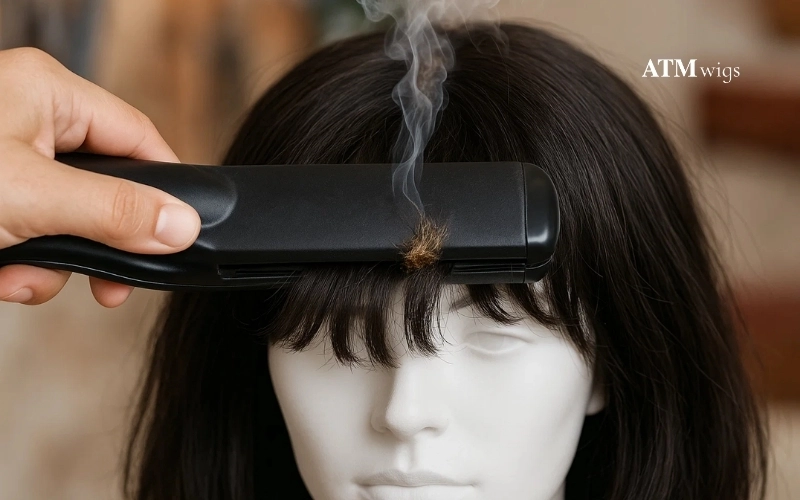
Poorer quality synthetic wigs, especially those constructed using PVC or acrylic fiber, tend to release odors upon exposure to heat. This can happen when curling irons, straighteners, or even hair dryers are used. Repeated exposure to such fumes can cause discomfort for sensitive individuals.
For those with sensitive skin, chemicals in man-made hair wigs can result in itchiness, inflammation, or allergic reactions. Hypoallergenic or non-toxic synthetic wigs would be advised in a bid to avoid irritation and prevent exposure to harmful substances to the fullest.
Do Synthetic Wigs Cause Cancer? Understanding the Debate
Whether synthetic wigs cause cancer is debatable. Although there is no scientific proof that directly associates synthetic wigs with cancer, some chemicals present in low-quality synthetic fibers have been found to be potential health hazards.
Phthalates in PVC hairpieces have been examined for their suspected endocrine-disrupting capability. PVC, when burned or degraded, releases dioxins known to be associated with long-term health risks. However, under normal wear conditions, exposure is minimal.
To reduce risks, go for PVC-free synthetic wigs and select brands that are expert in using safer, non-toxic materials. Good-quality Kanekalon wigs are a preferable option to lower-quality synthetic fibers with undisclosed chemical additives.
Are Synthetic Wigs Safe for Long-Term Wear?
Many wear synthetic wigs daily, but are they safe to wear in the long term? The response depends on wig quality, ventilation, and maintenance routine. A ventilated wig cap can help reduce scalp irritation and provide comfort over long-term wear.
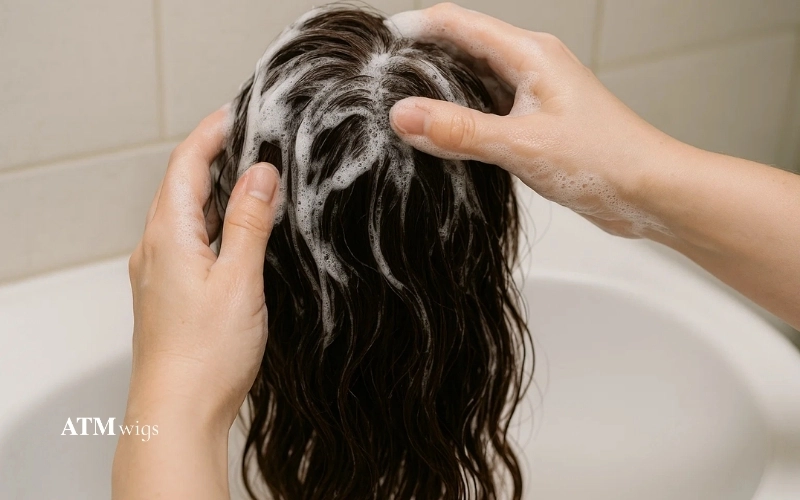
It is necessary to wash synthetic wigs frequently to remove chemical residue, dirt, and sweat that may accumulate over time. Mild, sulfate-free shampoos can be used to maintain cleanliness without inflicting additional chemical damage.
For sensitive scalps, selecting non-toxic synthetic wigs with ventilated wig caps and reducing the application of styling sprays or treatments can reduce potential irritation.
How to Choose Non-Toxic Synthetic Wigs
Selecting the right synthetic wig ensures safety and comfort. These are essential considerations:
- Fiber Make-Up: Opt for Kanekalon or heat-stable synthetic fibers instead of PVC-based wigs.
- Odor Test: Chemical smells are pungent and may indicate the use of aggressive treatments or inferior materials.
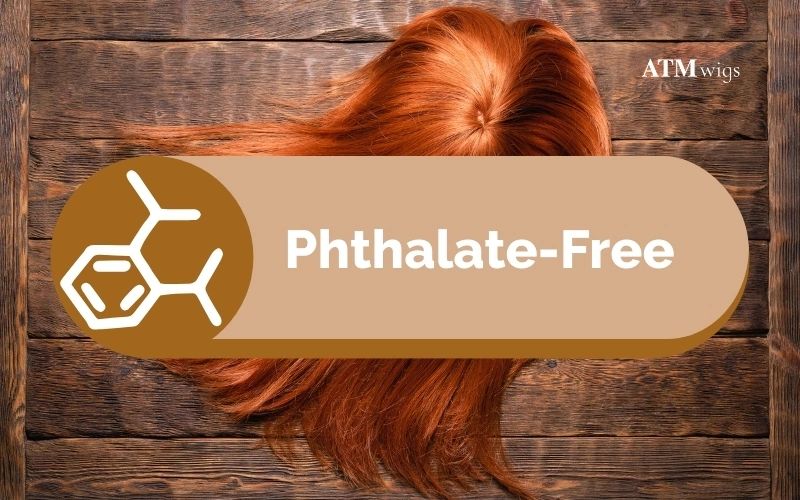
- Hypoallergenic Labels: Some manufacturers offer formaldehyde-free and phthalate-free wigs, which are best suited for sensitive scalps.
- Quality Brands: Purchase wigs from quality brands that adhere to safety standards.
To err on the safe side, look for synthetic wigs that have safety certifications like REACH, RoHS, or OEKO-TEX. Product descriptions and reviews can be helpful, but certificates are a better assurance of freedom from toxic materials.
Does Heat Make Synthetic Wigs More Toxic?
Many wonder if heat exposure would increase synthetic wig toxicity. While Kanekalon fibers are heat-tolerant, other synthetic products will either emit fumes or disintegrate when exposed to high heat.
To prevent potential hazards:
- Do not subject synthetic wigs to direct heat, including straighteners and curling irons.
- Use a wig stand rather than heat drying after washing.
- Choose heat-friendly synthetic wigs if styling is necessary.
- Overheating a synthetic wig not only makes it less durable but can also expose you to additional levels of unwanted chemical release.

Synthetic vs. Human Hair Wigs: Which Is Safer?
Human hair wigs are 100% natural and will not contain any synthetic coatings, so they will be best suited to individuals with scalp sensitivities. High-quality synthetic wigs, however, can be a long-lasting and safe alternative if they are constructed from non-toxic materials. As a result, they are a popular choice for those concerned about chemical exposure or scalp sensitivity.
Not all synthetic wigs are harmful, however. Well-constructed synthetic wigs from Kanekalon or heat-retentive fibers offer a compromise of cost, durability, and safety. Hypoallergenic synthetic wigs can give a safer choice without compromising on style.

FAQs about Is Synthetic Hair Toxic?
Do synthetic wigs cause cancer?
No connection has been proven between synthetic wigs and cancer. However, low-cost fibers that contain PVC may release chemicals to should be avoided.
Are synthetic wigs safe for people with allergies?
Some people may develop skin reactions because of chemical dyes or coatings. Choosing hypoallergenic wigs will minimize reactions.
Can synthetic wigs release harmful fumes?
Low-quality synthetic wigs may emit VOCs when heated. Always choose non-toxic synthetic wigs and never expose them to heat.
How can I make synthetic wigs safer to wear?
Choose good-quality fibers, wash wigs prior to initial use, and prevent overheating to minimize possible risks.
Are there non-toxic synthetic wigs available?
Yes, synthetic wigs made of Kanekalon or other high-quality synthetic fibers are less toxic and safer than those made of PVC-based materials.
Is synthetic hair toxic, then? It is all a matter of wig quality, fiber composition, and usage. While high-quality synthetic wigs are mostly safe, cheap wigs that contain PVC or too many chemicals should be avoided. For a comfortable, stylish, and safe wig experience, come to ATM Wigs. We offer a well-curated collection of non-toxic synthetic wigs, offering beauty and safety with every wear

